
Airborne Surface Disinfection (ASD) relies on the diffusion of a decontamination agent within a closed volume in order to treat the surfaces present in the area.
When the process uses vaporized hydrogen peroxide (VH₂O₂), the compatibility of surfaces, materials and equipment present in the room becomes an important aspect to consider when preparing the cycle.
Learn more about setting up a DSVA
Why material compatibility is important in ASD
VH₂O₂ ASD consists of diffusing a decontamination agent into the air of a volume in order to treat the surfaces present in the area. During the cycle, the product comes into contact with different materials located within the room.
In controlled environments, these surfaces may correspond to equipment, technical structures or elements of the facility. Material compatibility must therefore be considered in order to avoid unwanted interactions between the decontamination agent and the surfaces present, and to verify that the cycle conditions remain appropriate for the treated environment.
How materials may react during ASD
The behavior of surfaces may vary depending on the nature of the materials present in the room. Some elements may react differently when exposed to a decontamination agent diffused in the air.
Sensitivity of certain materials to hydrogen peroxide
During a VH₂O₂ ASD cycle, the decontamination agent comes into contact with the surfaces present in the treated volume. Depending on their nature, some materials may show particular sensitivity to this type of process.
In technical environments, surfaces may correspond to equipment, seals or certain components. These elements may react differently when exposed to a decontamination agent.
Influence of surface condition within the room
The condition of surfaces may also influence their behavior during ASD. Damaged, porous surfaces or surfaces presenting defects may react differently when exposed to the diffused product.
The configuration of the room may also play a role. Some areas may retain more of the product or present different exposure conditions.
Verification points before an ASD cycle
Before performing ASD, several elements of the room may be examined in order to verify that the conditions of the process are compatible with the surfaces and equipment present.
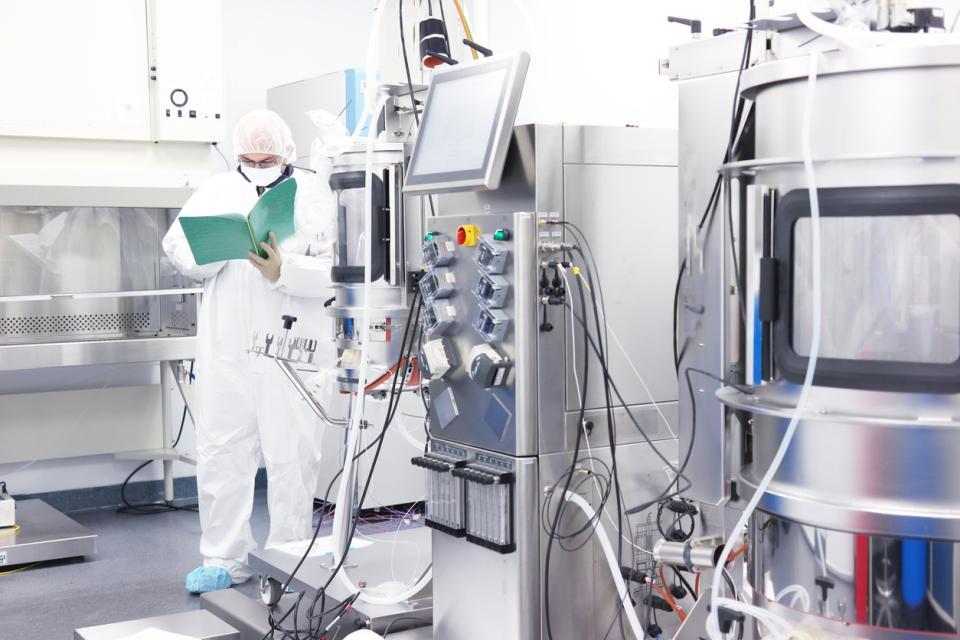
Identifying equipment present in the room
Controlled environments often contain various technical equipment. Some elements may have specific characteristics or include sensitive materials. Identifying the equipment present in the area is therefore a useful step before a decontamination cycle. This analysis helps identify surfaces that may require particular attention.
Taking exposed surfaces into account
The surfaces present in the room are not all exposed in the same way during ASD. Equipment layout, room configuration or air circulation may modify exposure conditions. Observing these parameters helps better understand how the decontamination agent may distribute within the treated volume. This step helps anticipate possible interactions with the materials present.
Learn more about implementing ASD
Material compatibility is one of the elements to consider when implementing ASD. Other parameters related to the room and to the process may also influence how a biodecontamination cycle proceeds.
Sealing and containment: essential conditions for effective ASD
Room sealing and volume containment influence the diffusion of the decontamination agent within the treated area. These parameters contribute to maintaining cycle conditions throughout the entire operation.
Placement of biological indicators in ASD: methodology and critical points
Biological indicators may be used to evaluate the microbiological effectiveness of an ASD cycle. Their position within the treated volume influences the analysis of the results obtained after decontamination.
Why rely on Solidfog expertise
Implementing ASD requires a good understanding of room conditions, surfaces present and process parameters.
Expertise dedicated to biodecontamination
Solidfog develops solutions specialized in airborne decontamination using hydrogen peroxide. The company focuses its expertise on diffusion technologies and their use in controlled environments. This technical approach is based on analyzing room conditions and cycle parameters.
Solutions adapted to regulated environments
Solidfog systems are used in environments where contamination control is essential, such as cleanrooms, laboratories or certain pharmaceutical facilities. In these environments, biodecontamination processes must be integrated into strict protocols and precise control conditions.
Integrating material compatibility into an ASD project
Material compatibility is an important element to consider when implementing VH₂O₂ ASD. Analyzing surfaces, equipment and room conditions helps anticipate possible interactions with the process.
Proper preparation of the room and a good understanding of the treated volume help ensure that the biodecontamination cycle remains consistent with the technical environment.